Skip to content

Mon–Fri: 7:30 a.m.–6:00 p.m.
By Appointment Only
Urgent Care
Mon–Fri: 7:30 a.m.–6:00 p.m.
By Appointment Only
Mon–Fri: 7:30 a.m.–6:00 p.m.
By Appointment Only
Urgent Care
Mon–Fri: 7:30 a.m.–6:00 p.m.
By Appointment Only
Need a Vet Today?
Urgent Veterinary Care in New Hope & Plymouth
When your pet is sick or injured, Plymouth Heights Pet Hospital provides weekday urgent veterinary care for dogs and cats in New Hope, Plymouth, and surrounding Twin Cities communities. From vomiting and diarrhea to limping, wounds, and other sudden health concerns, our team is here to help.
Urgent Care Hours: Monday–Friday, 7:30 AM–6:00 PM
Urgent Care cases are seen by appointment only. Learn More
Need Urgent Care?
Most Popular!
Save $25 on Your First Veterinary Exam
All-year protection, no extra cost

A Simple, Affordable Pet Wellness Plan for Dogs & Cats.
WagBetter is a pet wellness club designed for pet owners who want preventive veterinary care to be organized, predictable, and affordable.
By bundling essential annual veterinary services into one clear pet wellness plan, WagBetter helps ensure preventive care doesn’t get missed, overcomplicated, or pushed to “we’ll do it later.” Members enjoy the following perks and more:
- Bundled preventive care
- Built-in savings
- Transparent pricing
- year-round protection—at no additional cost.
Building Pet-Human Bonds
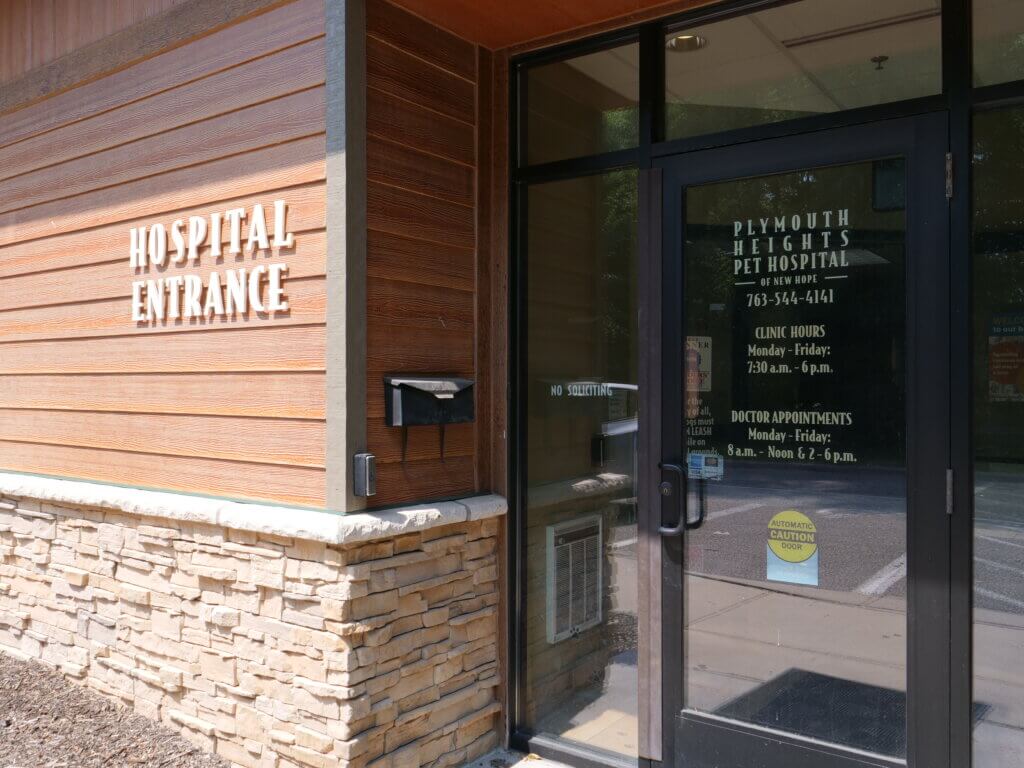
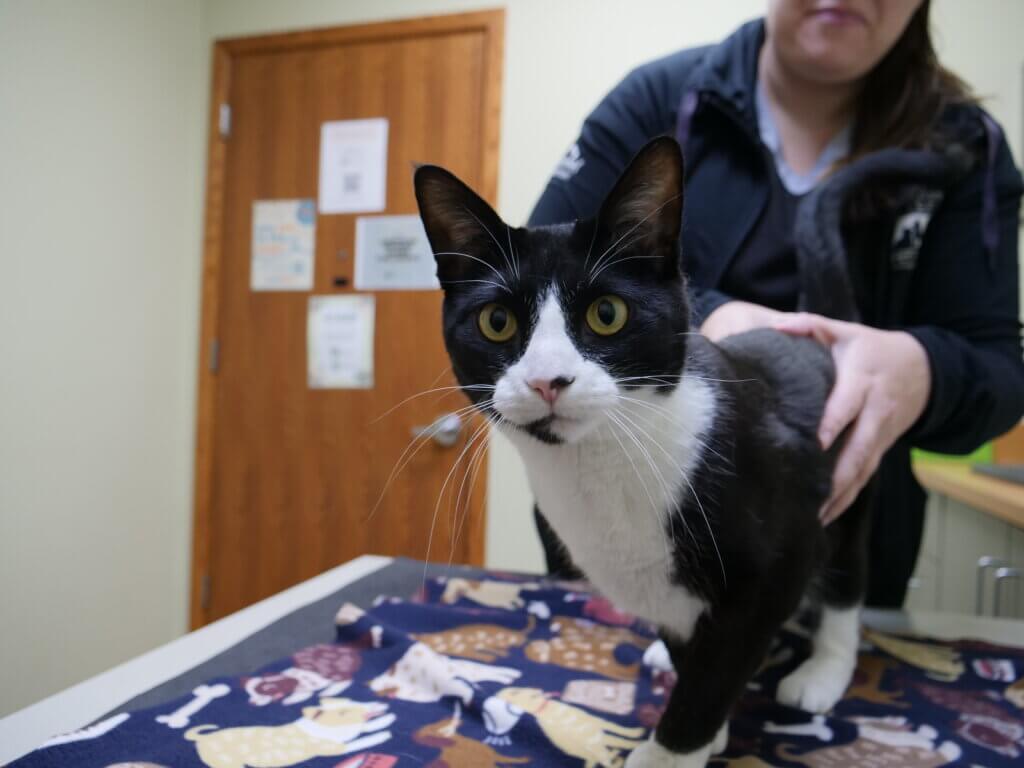
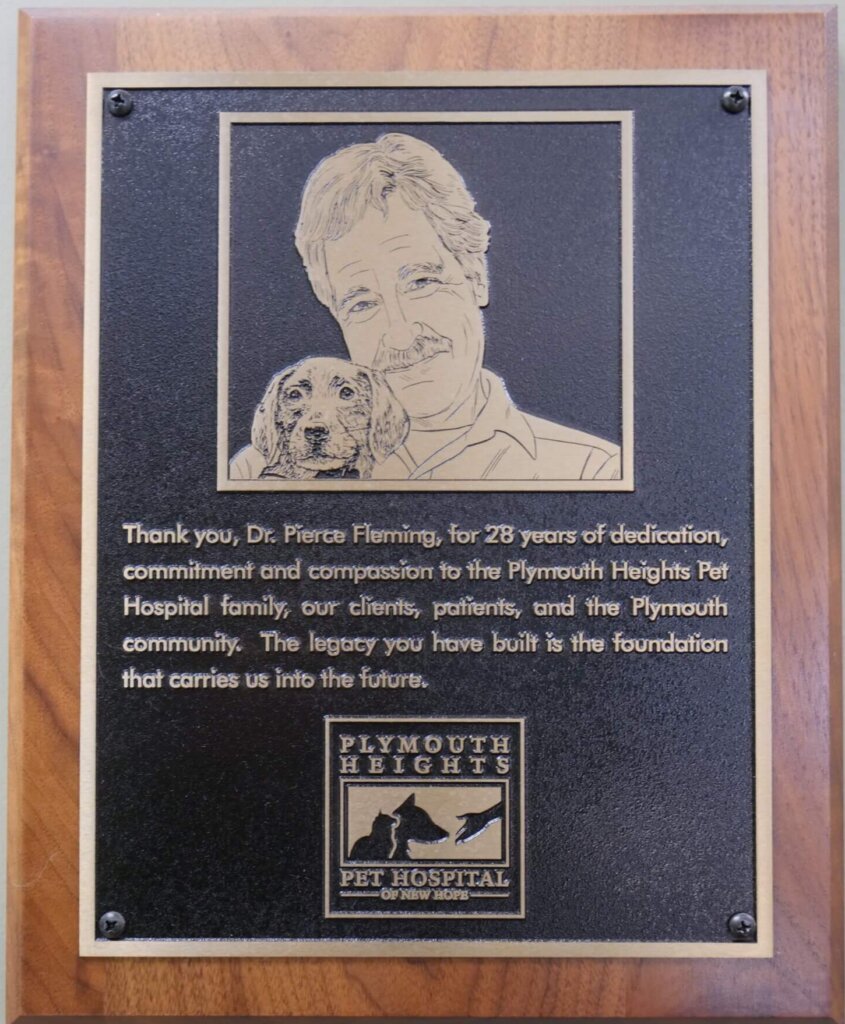
Plymouth Heights Pet Hospital provides compassionate, high-quality veterinary care in a welcoming, low-stress environment. We’re proud to care for pets and their families throughout New Hope, Plymouth, and the Twin Cities metro area.

Plymouth Heights Pet Hospital is an AAHA accreditedand laser-certified veterinary clinic serving dogs and cats throughout New Hope, Plymouth, and the Minneapolis metro area. Our experienced team provides high-quality veterinary care in a comfortable, welcoming environment. In addition, our Fear Free certified doctors and laser therapy services help make visits and treatments more comfortable for your pet.
Meet Our Team
Meet the dedicated veterinarians and care team at Plymouth Heights Pet Hospital. Our compassionate, team-oriented staff works together to provide exceptional veterinary care while making every visit as comfortable and stress-free as possible. We love what we do, and it shows in the care we provide.
Our Testimonials
Don’t just take our word for it, hear from our clients
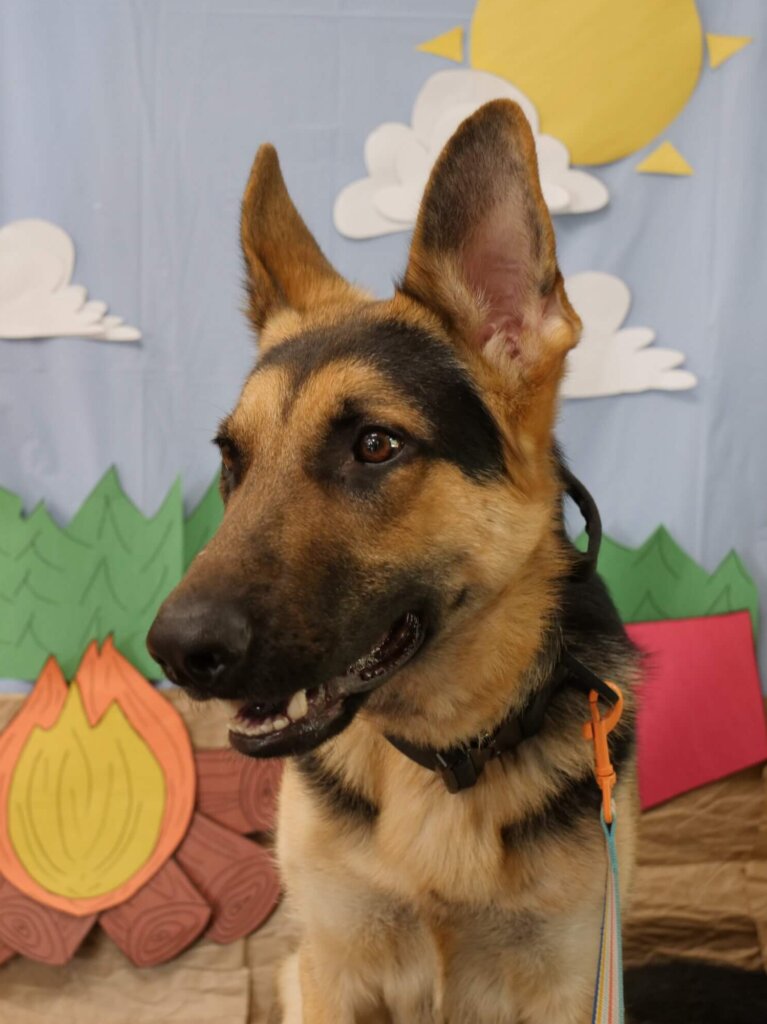
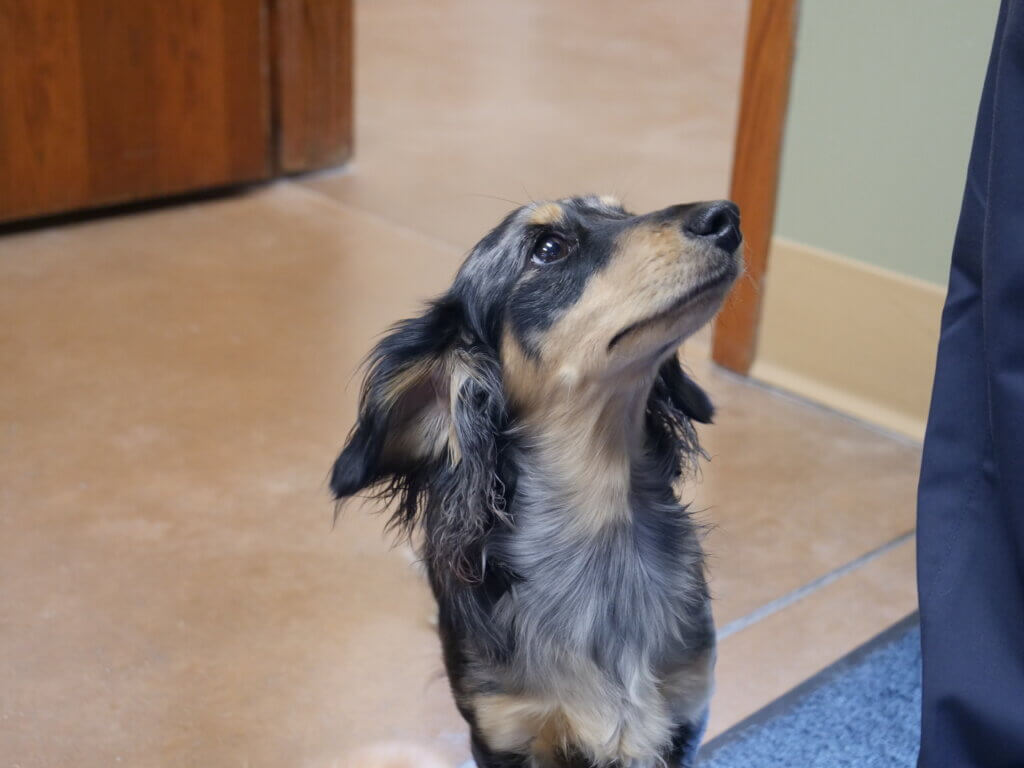
Beignet
Skittles
My favorite activity is shadowing my big brother in all activities, and the weirdest thing I do is meow loudly to announce i’ve done my business.
Walter
My favorite activity is playing, and the weirdest thing I do is poke people in the butt to move faster with my nose.
Calvin
My favorite activity is running on my wheel, and the weirdest thing I do is meow at the top of my lungs every morning 20 minutes before my moms alarm.
Your questions answered
Frequently Asked Questions
What should I do if my pet is sick or injured outside of regular office hours?
If your pet is experiencing a medical emergency after hours, contact your nearest emergency veterinary clinic immediately. Many areas have 24/7 emergency services specifically for pets.
How often should my pet have a check-up?
Routine check-ups are important for maintaining your pet’s health. Generally, it’s recommended to bring your pet in for an exam at least once a year. For older pets or those with specific health issues, more frequent visits may be necessary.
What vaccinations does my pet need?
The vaccinations your pet needs depend on their age, lifestyle, and health status. Common vaccines include those for rabies, distemper, parvovirus, and bordetella. Our veterinarians will recommend a vaccination schedule based on your pet’s specific needs.
How can I prevent my pet from getting fleas and ticks?
Regular use of flea and tick preventatives is crucial for your pet’s health. We offer various options, including topical treatments, oral medications, and collars. Our staff can help you choose the best option for your pet based on their lifestyle and risk factors.
What should I do if my pet has a behavioral issue?
Behavioral issues can often be managed with the right approach. Start by discussing the problem with our veterinarians or a certified animal behaviorist. They can provide guidance and, if necessary, recommend training or behavioral modification techniques.
How do I know if my pet is in pain?
Pets can’t always tell us when they’re in pain, so it’s important to look for signs such as changes in appetite, difficulty moving, excessive vocalization, or unusual hiding. If you notice any of these signs or if you’re concerned about your pet’s comfort, contact us for an evaluation.